
Umma: A Review of Sarah Ahn’s Warm Korean Cookbook
This article contains links to our partners in Waterstones and Bookshop.org, although our opinions here are genuine and not influenced by affiliate partners. We will receive an affiliate commission if you click any of the links in the article and purchase a Korean cookbook. We use this money to continue investment into the running of this site. So it helps us to keep cooking and writing!
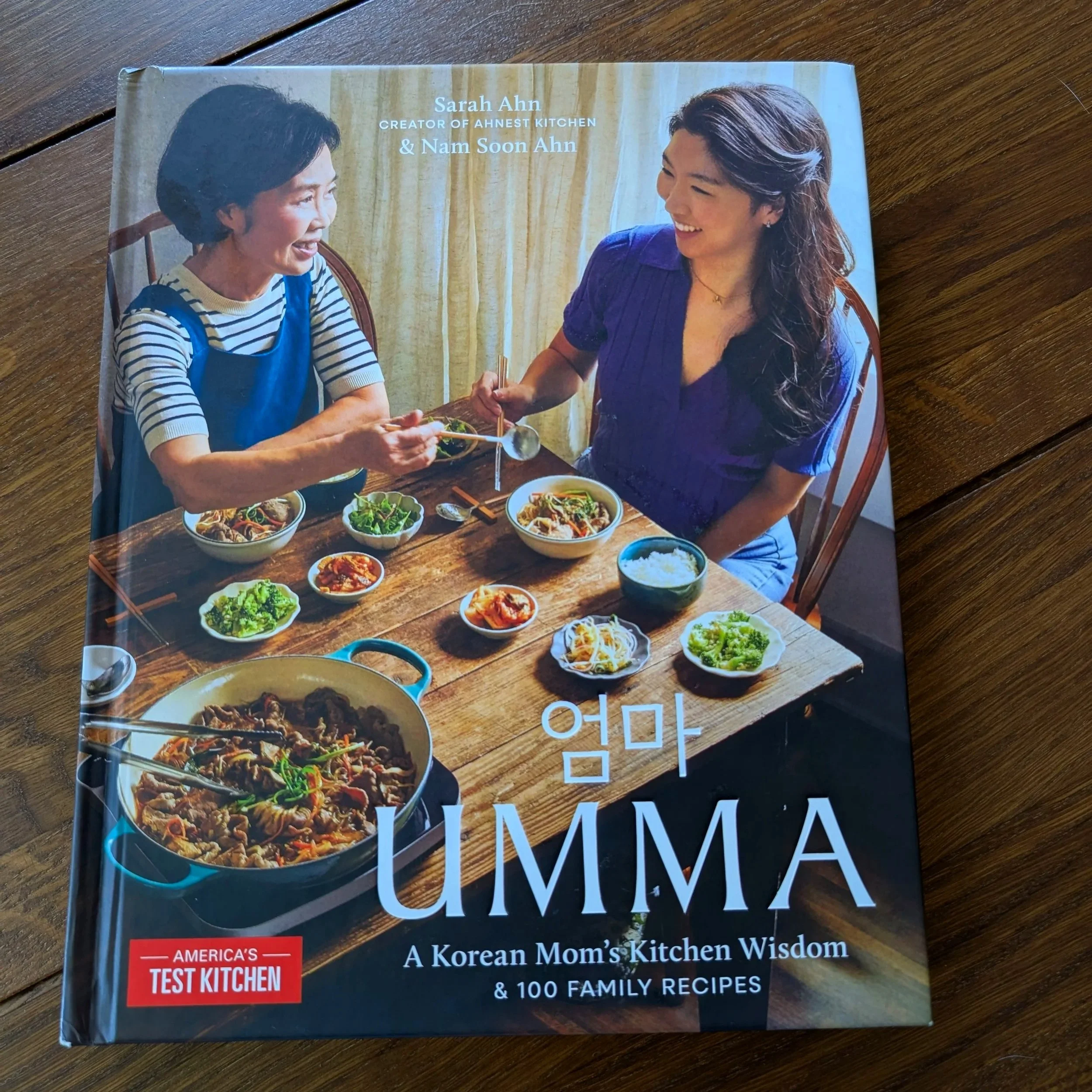
A warm hug of a cookbook, Umma goes beyond normal recipe books and doesn’t just rest on pretty photos and aspirational meals. Instead, Sarah Ahn welcomes us into her family, introducing us to Korean culture through a series of vignettes based on recipes from her childhood and on her own self-discovery as an adult. All of this is reflected in the glow of her Umma, Nam Soon Ahn, a force of nature who shares her love through feeding her family.
Umma - A Korean Mom’s Kitchen Wisdom: Quick Summary
Most cookbooks try to build a narrative around their recipes, often sticking lipstick on a pig to stand out from the crowd! Umma is very different; the story comes first, from the aftermath of the Korean War, through migration to a new country and the second generation finding their identity. Each victory is crowned with a gorgeous recipe, a triumph to love through food. That might sound cloying or conceited, but it’s not; both the recipes and the heart of the book are extremely authentic.
This is a cookbook with a soul; the recipes are easy to follow, and the descriptions of the ingredients are exciting and adventurous for non-Korean cooks (like this Brit). It stands head and shoulders above the others in our collection, which is why it deserves a feature!
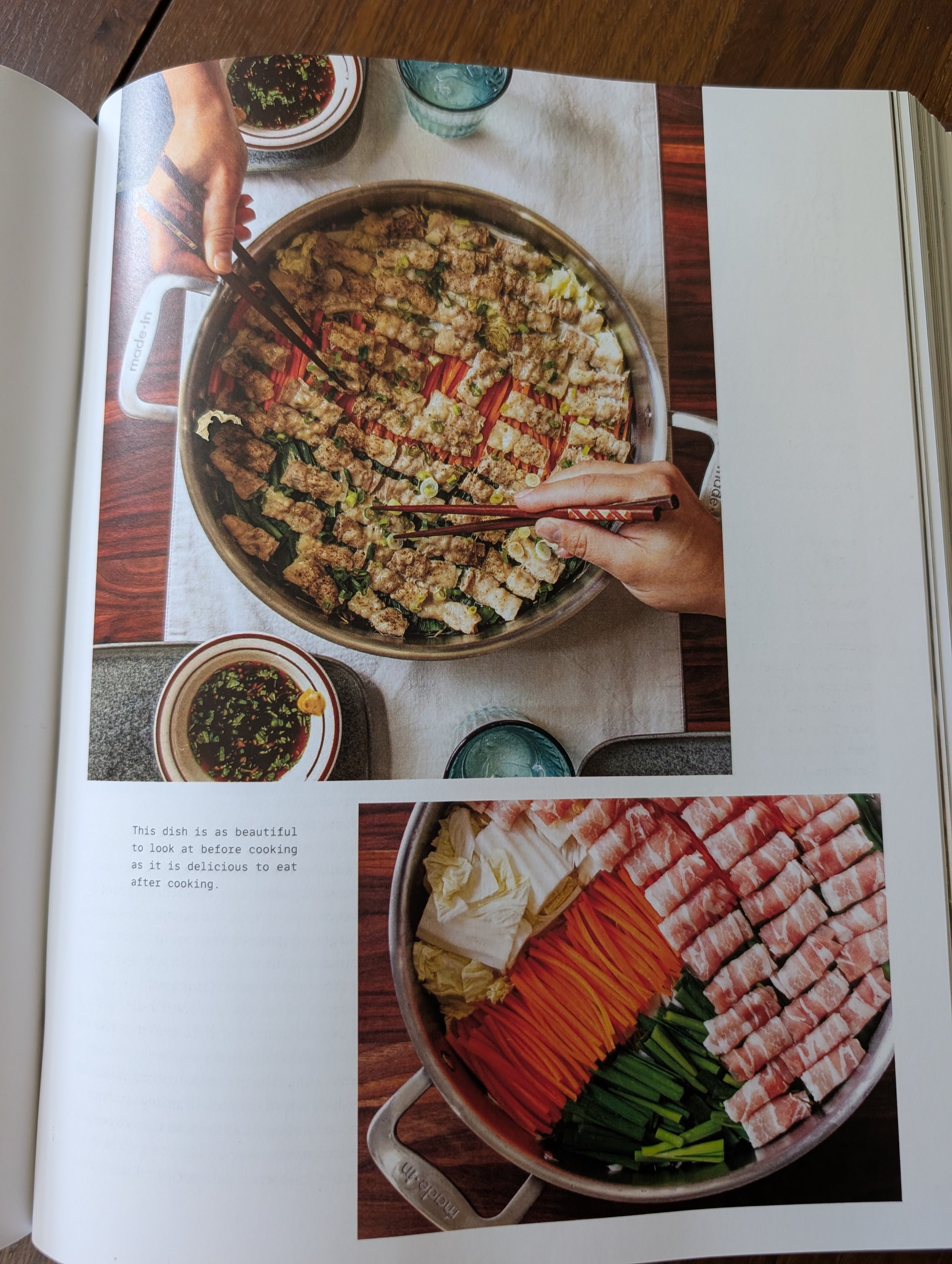
Delicious Food with Soul
Umma is an authentic Korean cookbook that’s easy to use, with the classic recipes you'd expect (KFC, Galbi etc) and lots more (a ton of Banchan!).
What we liked:
The sheer breadth of recipes, for all types of meals and cuisines.
All the Banchan - so many new small dishes to try out.
The deep, heartfelt descriptions of life as a Korean after the war and growing up multiculturally.
The balance between visual aids and written descriptions is just right.
This isn’t catering for a Western audience as such, but doesn’t alienate by including impossible to get ingredients
What we would improve:
Occasionally, the recipes fall into the trap of bouncing between different pages to find sides and sub-recipes.
Maesil Cheong is hard to get hold of in the UK, and features a lot here (but this is in the minority). My Korean acquaintances replace it with maple syrup or honey.
An Authentic Korean Cookbook
Umma: A Korean Mom’s Kitchen Wisdom is a labour of love by Sarah Ahn, a social media expert for America’s Test Kitchen (Umma’s publishers) and owner of Ahnest Kitchen on Instagram and TikTok. She follows her mother, learning from her cooking, absorbing knowledge through the food Nam Soon Ahn (Umma) prepares and feeds to Appa (Sarah’s father). Whereas social media is a snippet of reality (sometimes), here, Sarah can give deeper meaning to each recipe, giving it a place and time in her history and discovery of her Korean heritage.
This is as much a story about what it means to be a Korean woman growing up in modern America as it is a cookbook. For instance, the chapter on Banchan (my particular favourite section) begins with a short story about Appa and how hard he works to provide for his family, the challenges he has faced and how much he loves the banchan he receives from Umma every day. If you’ve seen Sarah’s social media posts, you’ll know he gets a small suitcase of food for his lunch! Each memory is accompanied by old family home photos, which add a layer of intimacy and authenticity to the polished professional food pictures dressing each recipe.
I really love this particular feature. Sometimes the tales are a little saccharine for a British palate, but overall I think the narrative provides something extra to making these recipes ourselves. I might be replicating Spicy Braised Tofu (Dubu Jorim, p. 96), but I’m also reflecting on what it means to prepare it in a Korean household and the similarities with my own. I cook to provide, I cook because I love to do it, and I cook because I love the people who will eat it. It doesn’t matter that I’m British and Umma is Korean; we are united in our purpose and our aim, all through one relatively simple recipe.
This book is unique in my collection, and I have a LOT of cookbooks. Most chefs will visit an area, take a snapshot of the recipes from their cuisine, and then plonk them in a book with an explanation of where they ate and why it was a fun day. I’m particularly thinking of all my Rick Stein and James Martin recipe books here; they head to Italy, or Greece, or Asia and say “everyone in Vietnam eats this”, but I never know why or what it means. With Umma, this is completely different; every recipe is baked into the culture it came from, it has a family history and a comment from Nam Soon Ahn about how it should be prepared. This isn’t fine dining, and I love it even more for that. I feel simultaneously adventurous and homely, cooking from this book.
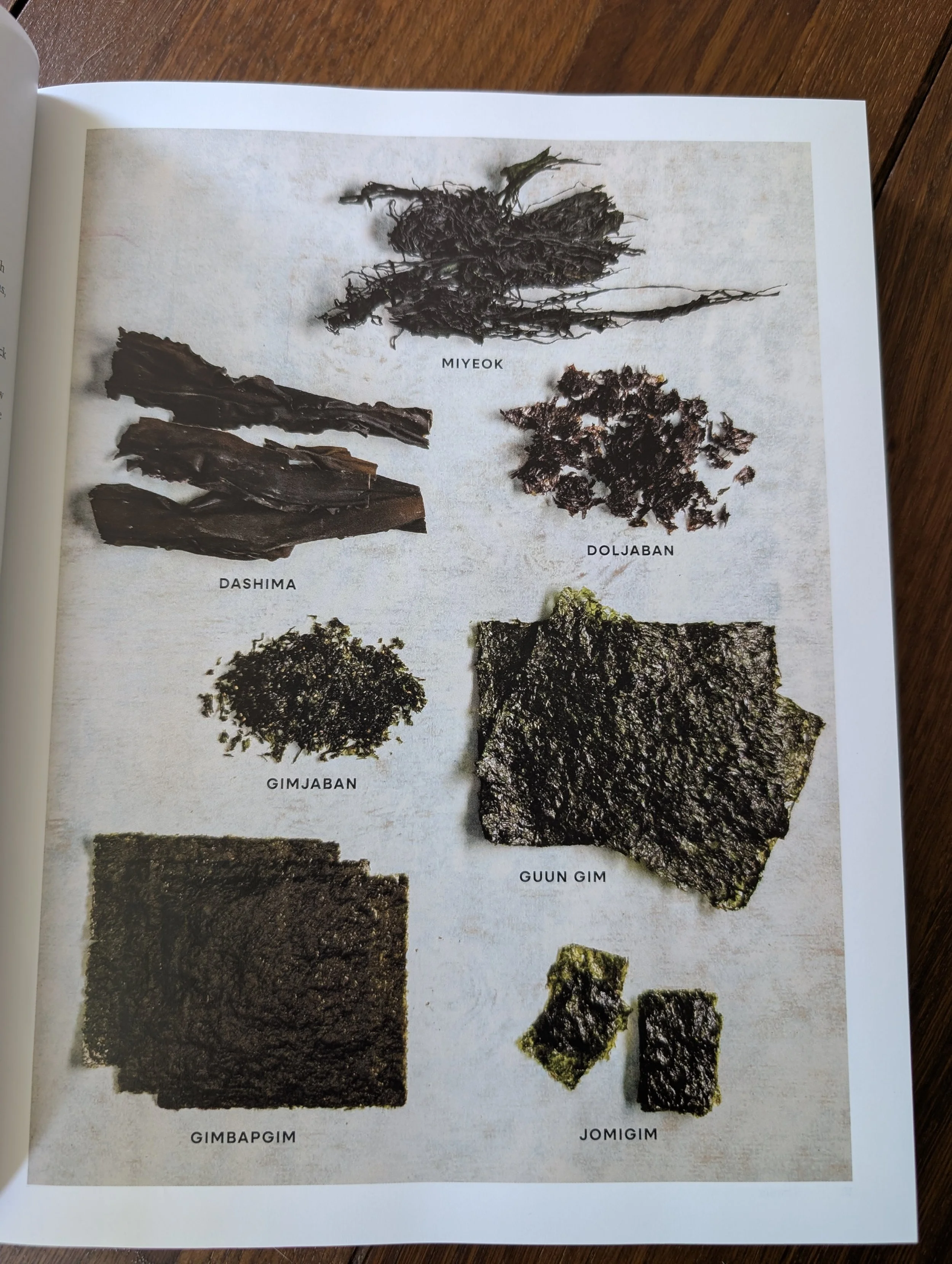
Delicious Food Photography
The visuals throughout Umma are excellent. Whether it’s a Polaroid from the 1970s, a recipe for kimchi, or, as shown here, an explanation of a pantry item.
Accessible Korean recipes that produce exquisite meals
Umma is categorised around a classic Korean table. The first chapter focuses on the pantry, some of the ingredients that might seem more unusual and how to make classic dips and sauces. Then Banchan follows, with classic Korean side dishes such as Oiji Muchim (spicy cucumber pickles) and Guun Gimgwa Dubu (roasted Gim with crispy tofu) sitting comfortably alongside marinated avocado. Kimchi and pickles follow (one of my favourite chapters) with 14 recipes covering different types of Kimchi. Meat, Poultry and Seafood features the restaurant staples you would expect, such as Pork Bulgogi, LA Galbi and the ever-popular Korean Fried Chicken. This is probably the least surprising chapter, but Umma quickly makes up for it with a section packed with Jjigae stews and then rice and noodles such as Bibimbap. The variety here is very satisfying; all are accessible to anyone with access to a Korean Deli or Asian supermarket (we recommend Food for Foodies). There are enough recipes here to keep you experimenting and varying your Korean night menus for a long time.
I’m looking forward to cooking the desserts; Milk Cream Doughnuts in particular look absolutely banging, and the milk bread recipe is another take on Shokkupan that I’d like to try.
As you would expect from a well-produced recipe book, each page has the depth of instruction you need to do a reasonable job, and the photography is superb; this doubles up as a coffee table book as much as a practical cookbook. Umma’s kitchen wisdom is a nice touch and keeps us in their house, cooking with them while we attempt our own impersonation.
Occasionally, you get the odd reference to another recipe on a different page. These always annoy me because cooking then becomes more like a “Choose Your Own Adventure” book than a seamless experience, especially when the wok is hot and you’re ready to go. The last thing you need is to quickly flip to page 149 for a sub-assembly. However, this is a small gripe, as those moments are in the minority - unlike Rick Stein recipe books where you can spend hours flipping from one page to the next, always searching, but never finding that particular sauce recipe, while around you the kitchen burns.
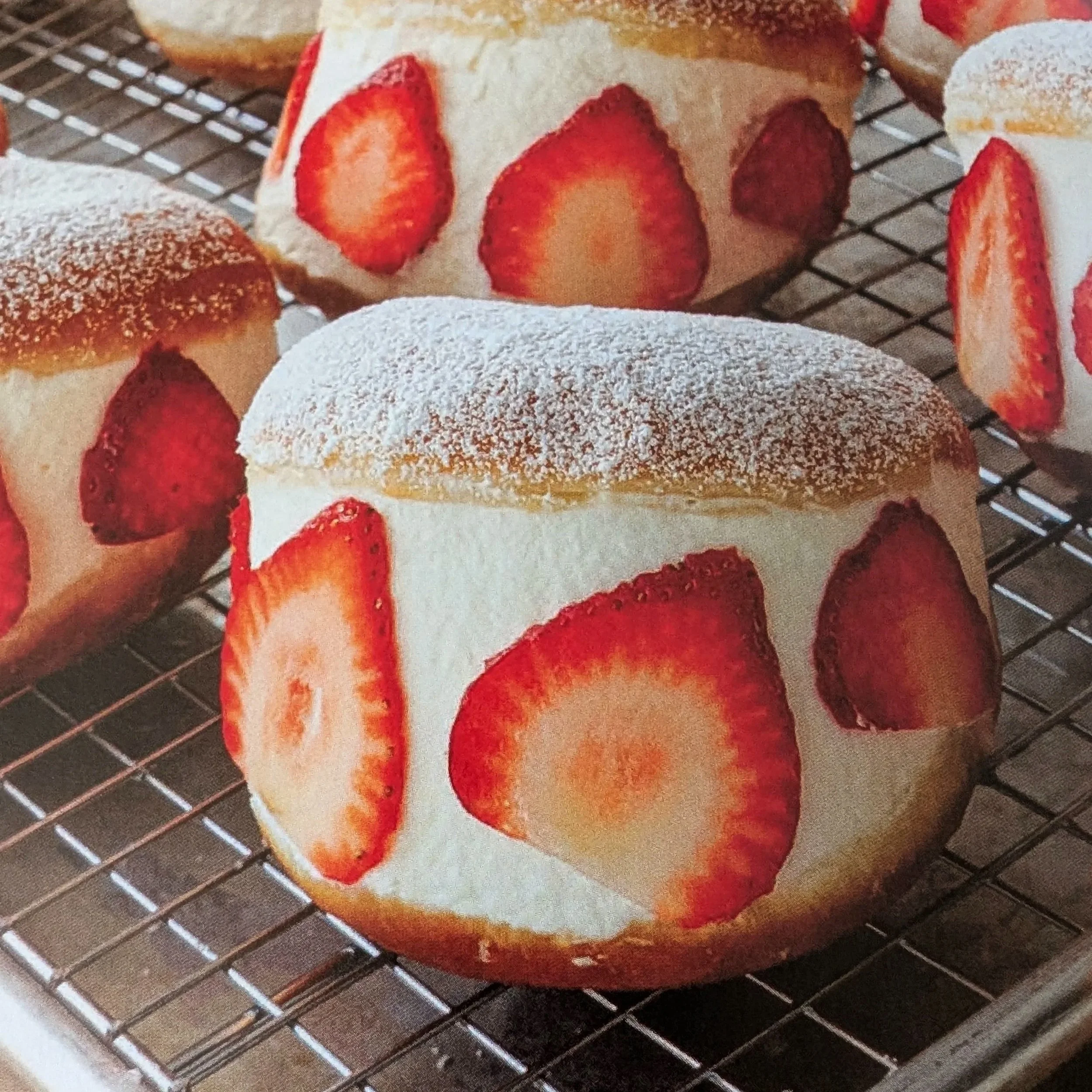
Korean Desserts Look Exceptional
A delicious surprise in Umma is the variety of recipes for desserts. Some sweet, or as shown here, some packed full of cream! All are well explained and easy to follow.
Umma: A Korean Mom’s Kitchen Wisdom - Summary
Umma is delightful; packed full of surprises, variety and genuine warmth. Sarah Ahn describes it as “A love letter to Korean home cooking”, and she has definitely hit that brief; every page has a reason to exist in the book and adds to your culinary knowledge. But, more importantly, the detail and the stories add to our knowledge of Korean culture.
We strongly recommend Umma for anyone interested in Asian cooking, Korean culture or just loves experimenting.
Umma Korean Cookbook: Frequently Asked Questions
Is Umma suitable for someone who’s never cooked Korean food before?
Mostly, yes. If you are new to Korean food, then you will need to ensure you stock your pantry right first. This is easily done by combining the first chapter of Umma and an Asian supermarket such as Food for Foodies. Some recipes might seem daunting, but often it’s a case of getting the marinade right before a quick cook and serve.
Does Umma require a specialist deli or Korean shop?
A lot of the ingredients, such as Soy Sauce, are common across Asian cuisine and can be found in a supermarket. Some, such as glass noodles, for instance, might require a visit to an online Asian specialist or Googling a local deli. We have a new Korean shop in the next village, and it covers us for anything we need!
Is Umma a cookbook to use in the kitchen or more of a coffee table book?
The clever thing about Umma is how versatile this book is. Because the America’s Test Kitchen team have invested in premium production, the recipes look great, and they would look great in any living room. Each dish is very well explained and easy to follow, so Umma belongs in the kitchen, too!
Other articles you might like to read
A Guide to Ramen: We look at Ramen throughout Japan
The Instant Pot rice cooker: Essential for any Korean Bap meals
A Review of Mushroom Kits: Fun, different and great in Korean cuisine